Review The Completed Remediation Work
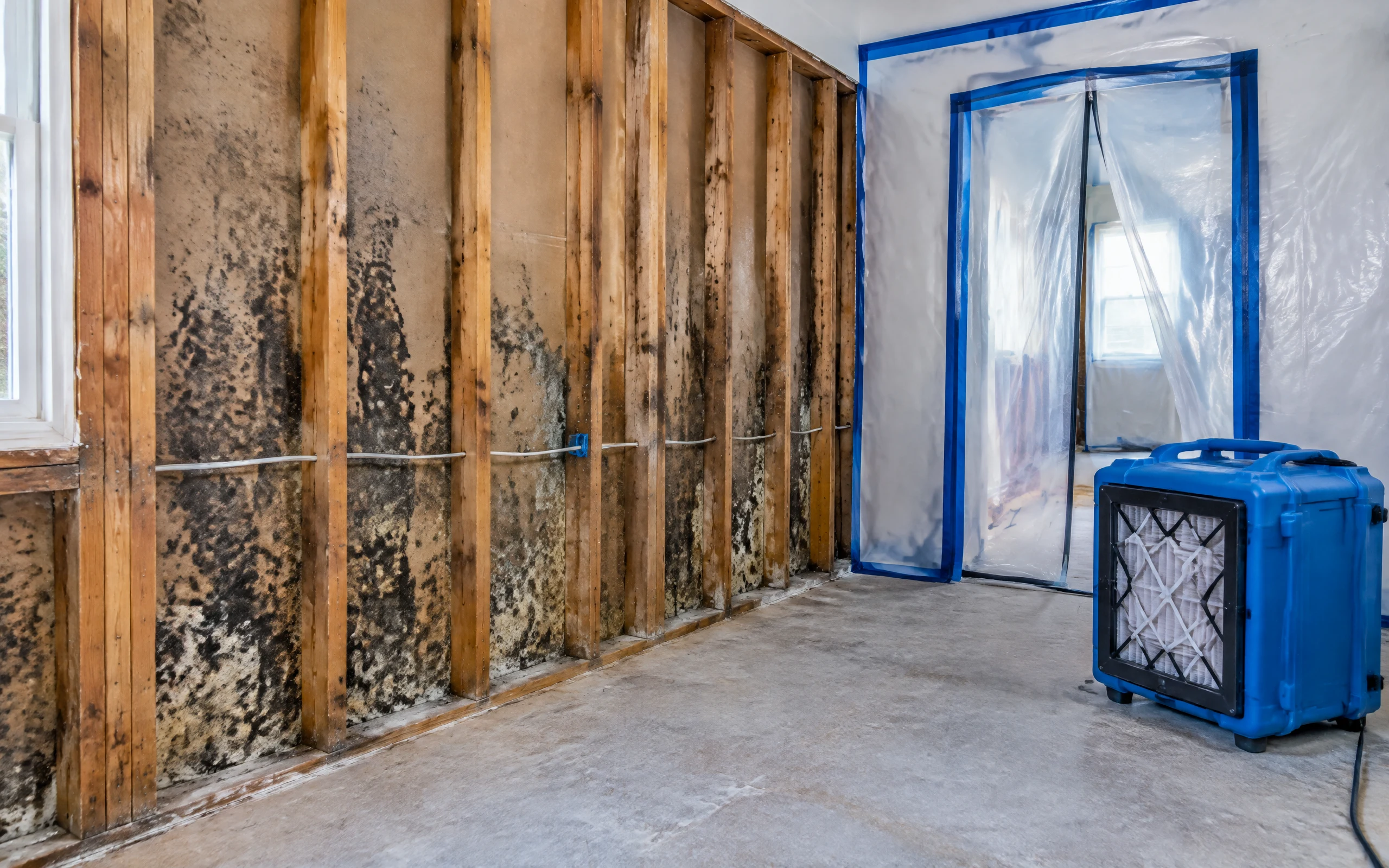
Ask the remediation team to walk you through the areas treated, materials removed, and surfaces cleaned. Compare the completed work with the agreed scope rather than assuming that a freshly painted wall means every problem has been resolved. Request photographs and any moisture readings recorded during the job.
Clarify whether damaged drywall, insulation, flooring, or trim still needs replacement. Cleanup and reconstruction are different stages. Keep the work summary and repair recommendations together so a contractor rebuilding the room understands what happened behind the finishes.
Confirm That The Moisture Source Was Corrected
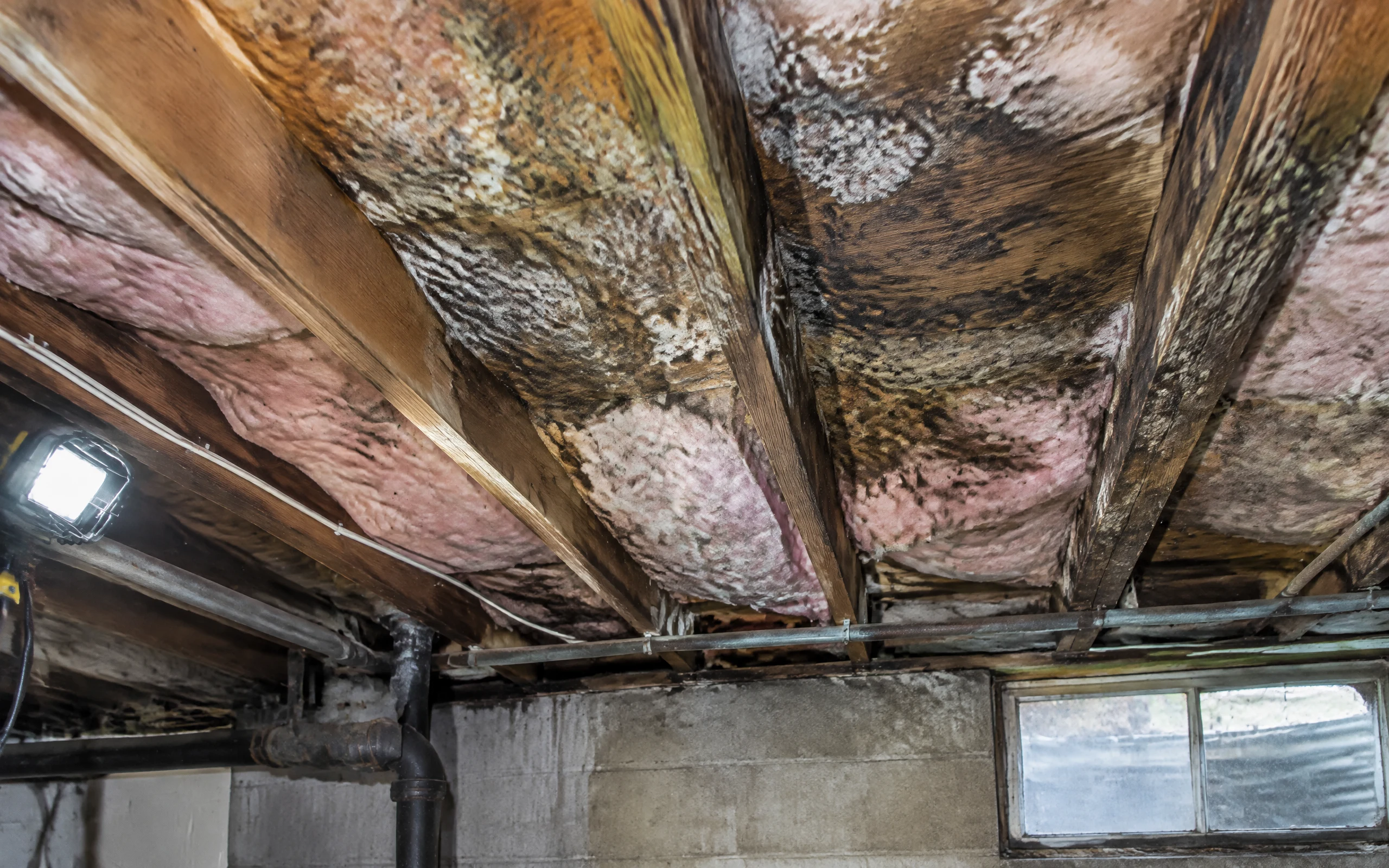
Mold can return when the conditions that supported it remain. A plumbing leak needs a plumbing repair; rain entering around a window needs an exterior water-entry correction. Basement seepage, condensation, and crawl-space dampness may require different solutions. Ask which source was identified and who is responsible for any outstanding work.
Check the affected area after rainfall or normal use of nearby plumbing. In Elizabeth homes with older basements or enclosed wall cavities, visible surfaces may not tell the whole story. If moisture readings are still elevated or the source is uncertain, arrange further assessment before closing walls or replacing finishes.
Follow The Reoccupancy And Verification Plan
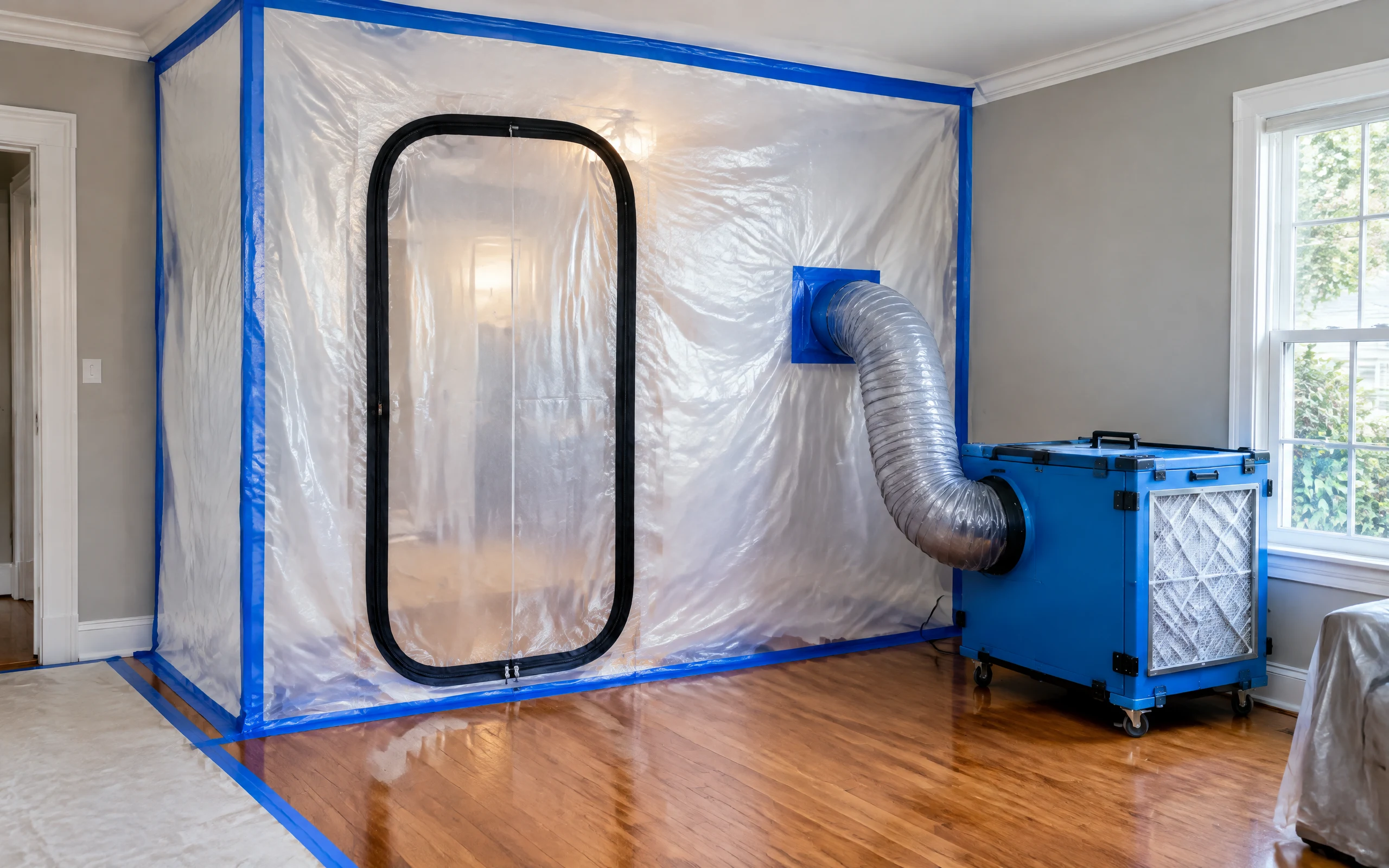
Follow the project's instructions about when rooms can be used again and when containment or air-filtration equipment can be removed. Do not take down protective barriers yourself while remediation is underway. Ask whether a final inspection or independent post-remediation assessment is part of the agreed scope.
Verification should consider the condition of cleaned surfaces and whether affected materials are dry. Air sampling is not automatically necessary for every job, and a single test does not guarantee a home will remain mold-free. Where assessment is recommended, discuss its purpose and interpretation with a qualified professional. Anyone with health concerns should seek medical advice rather than rely on a cleanup result as a health clearance.
Keep Indoor Humidity Under Control
Use a humidity monitor in rooms that previously stayed damp, especially basements. Run bathroom and kitchen exhaust fans that vent outdoors, maintain your heating and cooling equipment, and use a suitable dehumidifier where needed. Follow the equipment manufacturer's instructions for drainage and cleaning.
Watch for condensation on windows, cold pipes, and basement walls. Opening windows may not help when outdoor air is humid. Avoid placing furniture tightly against damp exterior walls, and keep stored belongings away from wet floors. Moisture control should fit the room and the season rather than rely on one appliance alone.
Restore Belongings And Finishes Carefully
Return belongings only after the area is ready for use. Ask which items were cleaned, which need specialist attention, and which cannot be recovered. Do not bring visibly moldy porous belongings back into a cleaned room or cover them with paint or fragrance.
Before installing new drywall or flooring, confirm that drying and source repairs are complete. Use the remediation record to plan reconstruction, and keep access to plumbing or equipment practical wherever possible. Replacing the appearance of a room without resolving dampness can hide a recurring problem.
Watch For Recurring Dampness
Check the treated area periodically and after heavy rain, plumbing leaks, or changes in heating and cooling use. New staining, peeling paint, persistent musty odors, or visible growth deserve attention. An odor alone cannot identify mold or determine its health risk, but it can be a reason to investigate moisture.
If growth or dampness returns, document where it appears and contact the remediation team or another qualified professional. Avoid disturbing suspected mold or directing household fans across it. Keep people away from unsafe water or electrical hazards while the cause is assessed.
Get Help With Follow-Up Questions In Elizabeth
Keep your scope, photographs, moisture records, repair receipts, and any assessment reports in one place. They can help explain a recurring issue and support conversations with contractors or your insurer; your insurer determines coverage under your policy.
For questions about moisture assessment, mold remediation, or repairs in Elizabeth, call Elizabeth Restoration at 908-228-9750. Explain when the original work was completed, which rooms were affected, and what you are noticing now.