Understanding Mold
Mold prevention begins with keeping materials from remaining damp. Check plumbing joints, roofs, windows, and basement areas after leaks or storms. Fixing a recurring source matters more than repeatedly wiping the same stain.
What to check before cleanup
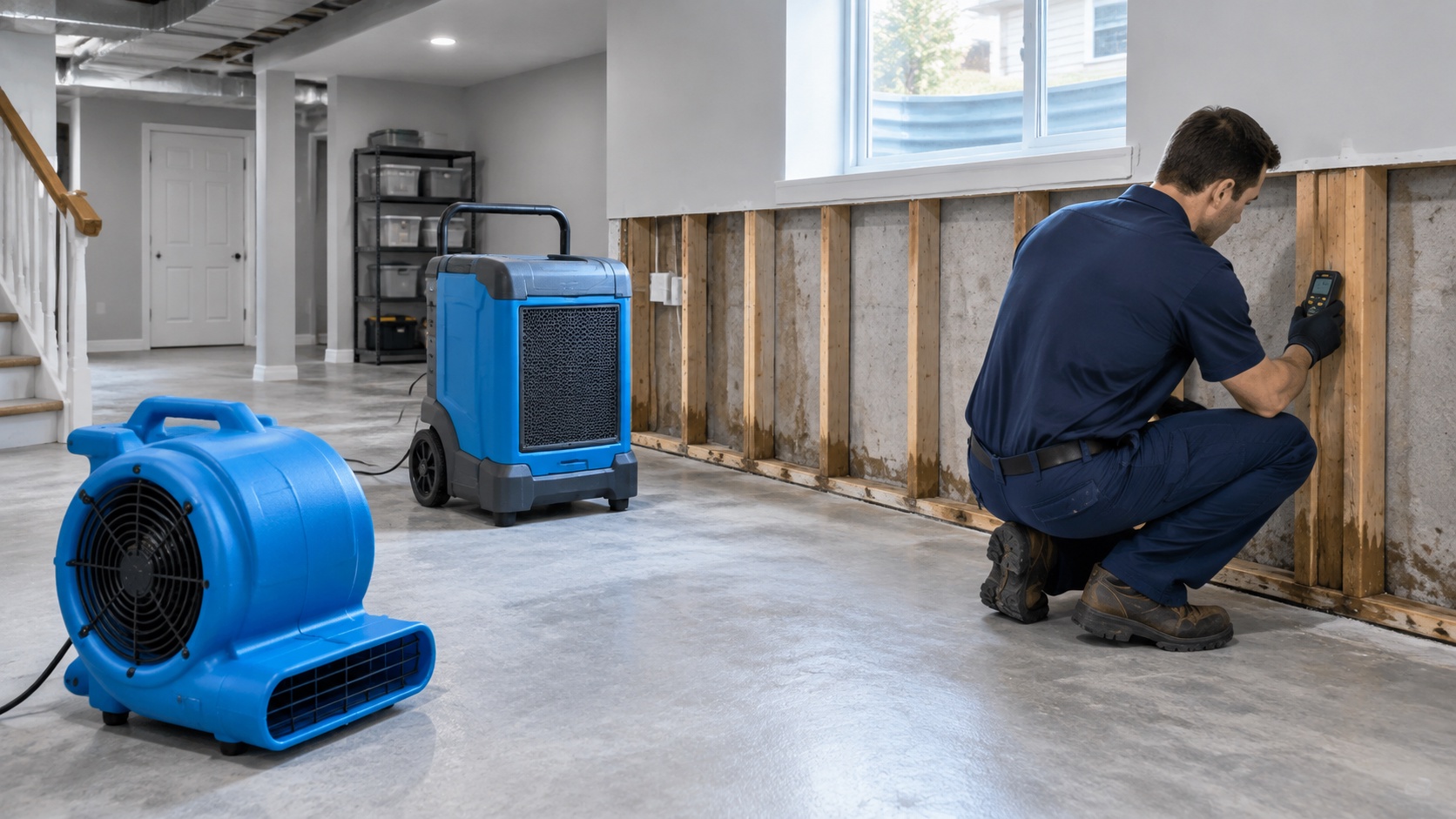
Use bathroom and kitchen exhaust systems that discharge appropriately outdoors. Monitor damp lower levels and consider dehumidification when suitable. Air movement alone does not remove water from an enclosed wall or repair a leaking drain.
A safe, material-specific response
Keep stored cardboard and fabrics away from damp walls and floors. Check behind furniture where condensation collects. Plants, wet laundry, and indoor drying can add moisture, but the response should match actual conditions rather than removing normal belongings indiscriminately.
Documentation, repairs, and prevention
After a water event, assess hidden assemblies and document drying before repairs. If a musty odor persists, investigate rather than masking it. Recurring growth is a reason to revisit the moisture diagnosis and the original cleanup scope.
Need help at your property?
Elizabeth Restoration serves Elizabeth, Newark, Union, Linden, Rahway, Roselle, Hillside, Cranford, and Westfield. For property-specific next steps, call 908-228-9750. We are open 24 hours, 7 days a week.
This guide is general information, not a substitute for an on-site assessment, medical advice, or your insurer’s coverage decision.