By Elizabeth Restoration · November 16, 2026
What is Mold and How Does it Grow?
Mold is a type of fungus that thrives in moist environments. It reproduces through tiny spores that are carried by air currents, allowing it to spread easily from one area to another. For mold to grow, there are three essential elements: moisture, organic material, and a suitable temperature.
In Elizabeth, NJ, the climate can create an ideal environment for mold growth, especially during warmer months or after heavy rainfall. Homes that experience leaks, flooding, or high humidity levels are particularly vulnerable. Areas like basements, attics, and bathrooms often provide the perfect conditions for mold proliferation.
Common Sources of Moisture in the Home
Moisture is the primary ingredient for mold growth, and its sources can be varied. Here are some common culprits:
- Leaky plumbing or roofs
- Condensation from windows and walls
- High humidity levels, especially in poorly ventilated areas
- Flooding or water spills that are not properly dried
Identifying and addressing these moisture sources is crucial in preventing mold growth. For instance, if you notice a leak under the sink or damp walls, it’s important to take immediate action to fix the issue. Mold can begin to grow within 24 to 48 hours of a water incident, so timely intervention is key.
The Most Common Types of Mold in Homes
While there are thousands of mold species, some are more common in households than others. Here are a few types that homeowners in Elizabeth may encounter:
- Aspergillus: Often found in homes, this mold can appear in various colors and can grow on a wide range of materials.
- Cladosporium: This mold typically grows on surfaces like wood, carpet, and textiles and is often seen in damp areas.
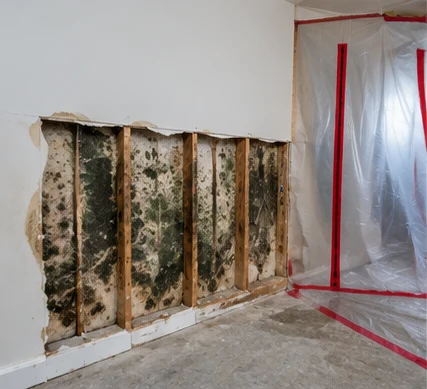
- Stachybotrys (Black Mold): Known for its black coloration, this type of mold can produce mycotoxins and requires significant moisture to grow.
Identifying the type of mold in your home can help determine the best course of action for remediation. Some molds, like Stachybotrys, can pose health risks and require prompt attention and professional help.
Health Implications of Mold Exposure
Exposure to mold can lead to various health issues, particularly for those with respiratory conditions, allergies, or weakened immune systems. Common symptoms include sneezing, coughing, skin irritations, and respiratory problems. In severe cases, prolonged exposure to certain types of mold can result in more serious health complications.
Given the potential health risks associated with mold exposure, it’s crucial for homeowners to take proactive steps in preventing mold growth and to address any signs of mold immediately. If you suspect mold growth in your home, consider contacting a professional service to assess the situation and determine the appropriate action.
How to Prevent Mold Growth in Your Home
Prevention is the best strategy when it comes to mold growth. Here are some effective steps to keep your home mold-free:
- Keep humidity levels low: Use a dehumidifier in areas prone to moisture, like basements and bathrooms.
- Ventilate: Ensure proper ventilation in high-moisture areas. Use exhaust fans while cooking or showering.
- Repair leaks promptly: Fix any plumbing or roofing issues as soon as they arise to prevent water accumulation.
- Use mold-resistant products: When renovating or building, consider using mold-resistant paints and materials.
By implementing these preventative measures, homeowners can significantly reduce the risk of mold growth in their homes. However, even with the best efforts, mold might still find a way to thrive, which is why regular inspections and maintenance are essential.
What to Do if You Find Mold in Your Home
If you discover mold in your home, it’s essential to take action swiftly. Here are the steps you should follow:
- Assess the extent of the problem: Determine how widespread the mold is and any potential sources of moisture.
- Contact professionals: For significant mold issues or concerns about health risks, reach out to experts in Elizabeth mold remediation who can safely remove the mold and address underlying moisture problems.
- Clean up minor mold: If the problem is small and you choose to tackle it yourself, wear protective gear and use a mixture of water and soap or a vinegar solution to clean the affected area.
While minor mold problems can sometimes be managed by homeowners, larger infestations can pose serious health and safety risks. Professional help is recommended for thorough removal.
Understanding the Importance of Reconstruction Services
In some cases, mold damage may be extensive enough that it compromises structural integrity or requires the removal of materials. After the mold has been remediated, you might need to consider Reconstruction services to repair any damage caused by mold or the water that led to it. This may include drywall replacement, flooring repairs, or other structural repairs to restore your home.
Engaging professionals ensures that your home is not only well-restored but also safe from future mold growth. A comprehensive approach to mold and water damage can provide peace of mind and help maintain the overall health of your home.
When you are ready for hands-on help, you can also explore professional sewage cleanup .
Understanding mold growth is paramount for homeowners in Elizabeth, NJ. By recognizing the conditions that foster mold and taking proactive measures, you can protect your home and your family's health. If you suspect mold growth or are facing water damage, don’t hesitate to reach out to Elizabeth Restoration at 908-228-9750 for assistance and professional guidance.